Preschool Dolch Sight Word Worksheets: A Design Asset for Early Learning
Effective visual communication begins with a foundation in literacy, making the strategic design of educational materials a critical component of early childhood development. Preschool Dolch Sight Word Worksheets are more than simple practice pages; they are carefully structured visual tools designed to build foundational reading skills through engaging, multi-sensory activities. For graphic designers and educators creating learning resources, these worksheets represent a prime example of how thoughtful design directly impacts user engagement and knowledge retention, blending pedagogical function with appealing aesthetics.
The Visual Design Principles Behind Effective Sight Word Practice
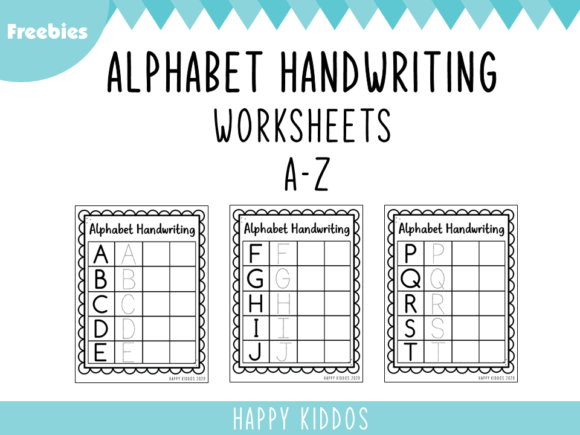
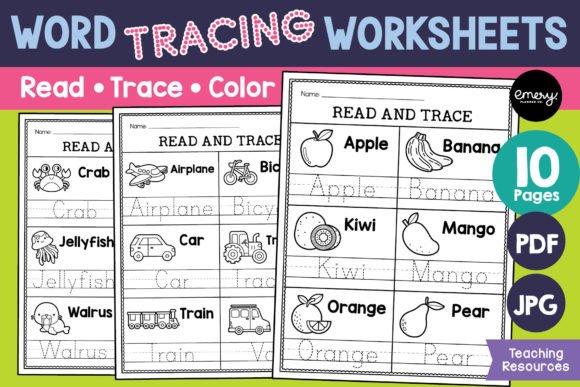
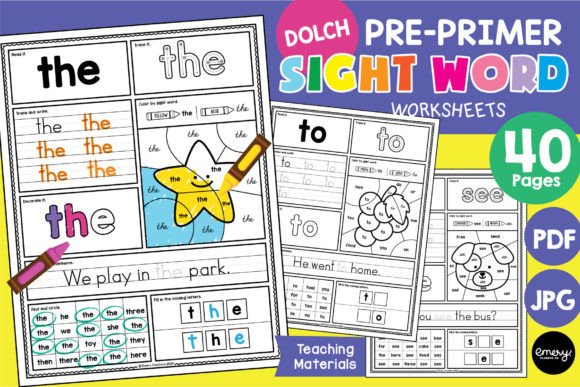
From a graphic design perspective, the strength of these worksheets lies in their intentional application of core design principles to serve a specific user experience (UX) goal: learning. Each page is a study in visual hierarchy, guiding the young learner's eye from the target word to varied activities like tracing, coloring, and identification. The consistent use of clean, sans-serif typography ensures maximum readability for developing eyes, while the ample white space prevents cognitive overload—a key consideration in UI design for any audience. The black-and-white color palette is a strategic choice, reducing production costs and focusing attention on the content rather than decorative elements, much like a well-designed logo prioritizes clarity.
This resource package, containing 40 activity pages covering the Pre-Primer list, functions as a cohesive design system. The consistent layout across all worksheets establishes a predictable and comfortable user interface, allowing children to focus on the task rather than navigating new formats. This principle of consistency is paramount in branding and professional presentation, creating a seamless experience that builds trust and familiarity.
Practical Applications and Creative Integration
While designed for preschool and homeschool classrooms, the underlying design approach of these worksheets offers valuable insights for various creative projects. The balance of simplicity, engagement, and clear instruction is a blueprint for effective visual communication across multiple domains.
- Educational Branding & Product Design: The worksheets exemplify how to create a brand identity for educational products—friendly, accessible, and trustworthy. The design choices directly support the brand promise of effective, low-prep learning.
- Marketing & Social Media Content: The clean, high-contrast layouts are inherently "social media friendly." They are easy to photograph or scan and share, demonstrating how functional design can drive organic marketing through user-generated content from satisfied teachers and parents.
- Digital Product & UI Inspiration: The workflow of "simply print and go" mirrors the best practices in UX design for digital tools—minimizing steps to achieve a goal. The clear, action-oriented layout is a model for designing intuitive interfaces for educational apps and websites.
- Packaging & Editorial Design: The thematic cohesion across 40 pages shows how to manage a large volume of content with a unified visual language, a skill directly transferable to designing a book series, product packaging suite, or editorial magazine layout.
Tips for Evaluating and Applying Design-Driven Educational Assets
When selecting or creating resources like these worksheets, applying a designer's eye ensures the final product achieves both its educational and aesthetic goals.
- Assess Visual Hierarchy and Readability: Does the layout guide the user naturally? Is the primary element (the sight word) immediately prominent? Typography should be simple, with high contrast and adequate spacing.
- Evaluate for Scalability and Adaptability: A well-designed asset, like this PDF/JPEG bundle, should function seamlessly across contexts. Consider if the design can be adapted for different formats, such as digital slides or large posters, without losing integrity.
- Prioritize Consistency and Cohesion: A collection of pages should feel like part of a unified system. Consistent margins, type treatments, and activity structures reduce friction and enhance the professional presentation of the material.
- Consider the End-User Experience: The "low prep" and "print-ready" nature of this resource is a critical UX feature. For designers, this translates to creating assets that are not only beautiful but also practical and easy for clients or end-users to implement, streamlining their design workflow.
Ultimately, resources like Preschool Dolch Sight Word Worksheets demonstrate that the most impactful design is often that which serves a clear purpose with elegance and efficiency. By focusing on core principles of clarity, consistency, and user-centric design, creators can develop assets that do more than look good—they facilitate learning, strengthen brand identity, and create meaningful engagement. Investing in such thoughtfully designed tools elevates the entire creative process, ensuring that visual communication is both beautiful and profoundly effective.