Word Tracing Worksheets: Read and Trace for Early Learners
A Practical Tool for Foundational Skills
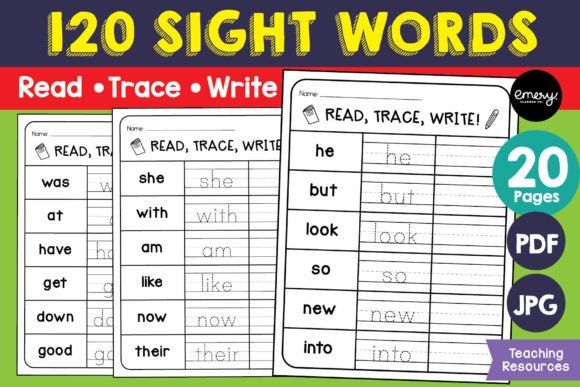
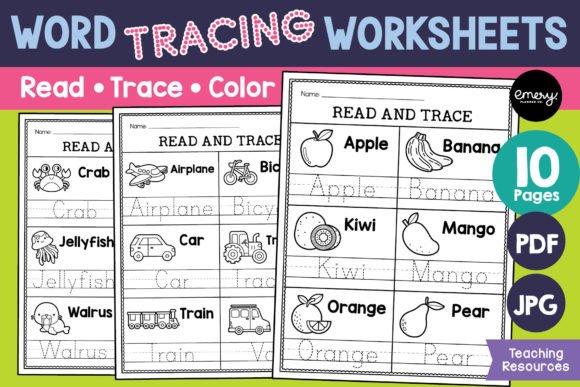
For designers, creators, and small business owners who work with educational materials or have young learners at home, finding resources that are both effective and easy to use is a constant priority. The Word Tracing Worksheets | Read and Trace resource is a straightforward, no-prep solution designed to build fundamental writing and literacy skills. It’s not a font in the traditional typographic sense, but rather a carefully crafted set of 10 worksheets containing 60 words for tracing practice. Its value lies in its simplicity and direct focus on child development, making it an essential design asset for parents, educators, and anyone creating content for early childhood education.
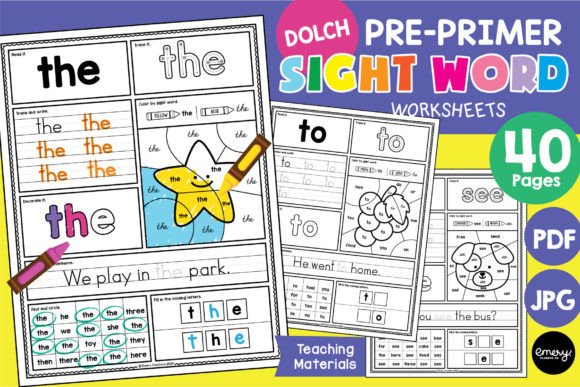
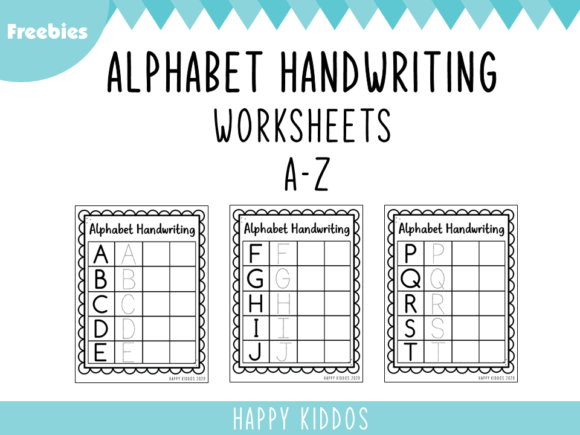
Visually, the worksheets embody a clean, functional style. The character set is a clear, consistent printed font, likely a simple sans serif font or a basic script font optimized for legibility. Each word is presented with dotted lines for tracing, offering a guided path for small hands. The overall personality is educational and supportive, not decorative. The black and white format is a deliberate choice, eliminating distractions and focusing the child’s attention on the letterforms themselves. This premium font resource, available as both PDF and JPEG files in standard 8.5x11 inch dimensions, prioritizes immediate utility over ornamental flair. Its appeal is in its directness—it does one job, and it does it well.
Where This Resource Finds Its Place
The applications for the Word Tracing Worksheets | Read and Trace extend beyond a simple homework aid. In branding and marketing for educational products, these worksheets can serve as a foundational element. A children’s tutoring service or a homeschool curriculum brand could use the style and clarity of these worksheets as part of their brand identity, signaling a commitment to structured, effective learning. The worksheets themselves can be offered as a free download on a blog or as part of a starter kit, acting as a tangible demonstration of a brand’s expertise in early education.
For content creators and publishers, the resource is a ready-made component for activity books, educational apps, or printable packs. A blogger focusing on parenting or crafts could integrate the worksheets into posts about kindergarten readiness or fine motor skill activities. The digital files are print-ready, making them perfect for packaging design for physical products like learning kits or as part of a digital product bundle sold on platforms like Etsy. The lack of color ink requirement makes it exceptionally practical for mass printing, a key consideration for any commercial font or asset intended for broad distribution.
Influence on Learning and Engagement
While not a display font for a website header, the typographic choices within these worksheets directly influence a child’s learning process. The consistent letterforms provide a model for proper writing, helping to develop muscle memory and letter recognition. This is the essence of modern typography applied to education: using form to facilitate function. The act of tracing, combined with the suggestion to read words aloud, engages multiple senses. This multimodal approach can enhance readability, pronunciation skills, and overall audience engagement—in this case, the young learner’s engagement with the material.
For the adult creator or parent, using such a well-structured resource contributes to a sense of professionalism and consistency in their educational offerings. Whether you are designing a series of social media graphics promoting literacy or compiling a workbook, having a reliable, high-quality tracing component ensures your project maintains a high standard. It eliminates the guesswork and time spent creating similar content from scratch, allowing you to focus on the broader editorial design or packaging design of your project.
Practical Guidance for Implementation
Integrating the Word Tracing Worksheets | Read and Trace into your workflow is simple, but a few considerations will maximize its impact.
- Evaluate Project Fit: This resource is ideal for projects targeting ages 3-7. It’s perfect for creating supplementary materials, not primary curriculum design. Use it to add value to a larger educational product.
- Test Pairings: In a broader document, pair the worksheet pages with a friendly, readable serif font or handwritten font for titles and instructions. This creates a clear visual hierarchy that guides both parent and child through the material.
- Review Included Assets: The inclusion of both PDF and JPEG files offers flexibility. Use the PDFs for direct printing and the JPEGs for digital integration into apps, websites, or social media graphics.
- Consider the Audience: Always keep the end-user—the child—in mind. The clean, uncluttered design minimizes frustration and supports successful completion, which builds confidence and encourages continued practice.
Ultimately, the strength of the Word Tracing Worksheets | Read and Trace is its unwavering focus on a critical developmental stage. It’s a design asset that understands its purpose. For the creative professional, it’s a time-saving tool that adds authentic educational value. For the parent, it’s a bridge between play and learning. By choosing a resource that prioritizes clarity, functionality, and real-world application, you’re not just adding another item to your toolkit—you’re supporting a child’s first steps toward literacy with a thoughtfully designed aid.