Whimsy Polka Dot Cottagecore Kitchen: Cozy Charm for Your Creative Projects
There’s a certain warmth that comes from a kitchen filled with the scent of baking bread, the gentle clink of a teacup, and the soft, cheerful pattern of polka dots on an apron or mixing bowl. This feeling is the heart of the Whimsy Polka Dot Cottagecore Kitchen aesthetic. It’s a visual language that speaks of comfort, nostalgia, and the simple, handmade joys of home. Moving beyond a fleeting trend, this style taps into a deep desire for authenticity and warmth in our visual world. It’s not about perfection, but about personality—a charming, lived-in quality that feels both inviting and genuine.
The Visual Language: More Than Just Dots and Teacups
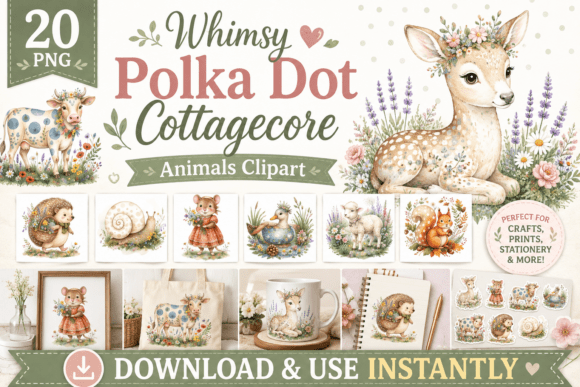
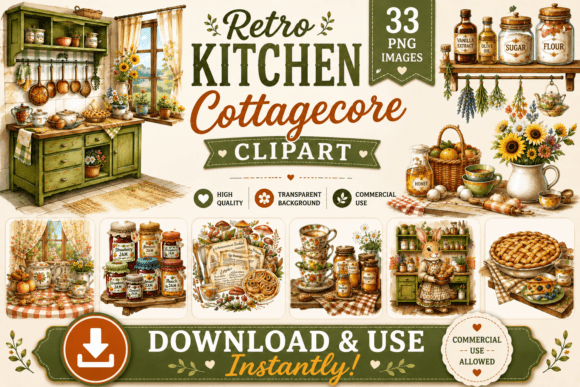
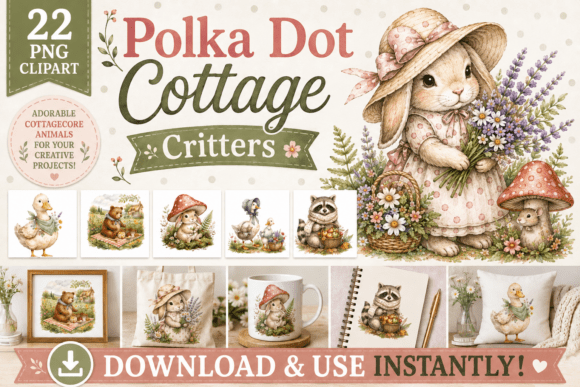
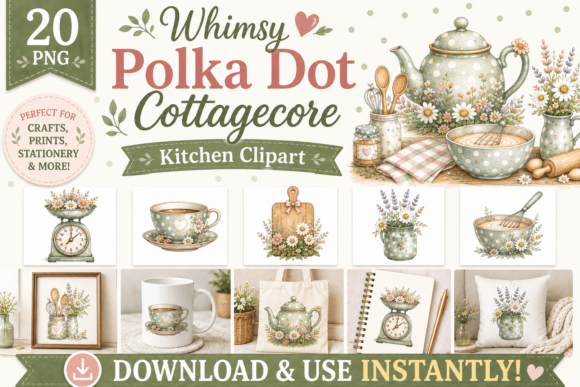
At its core, the Whimsy Polka Dot Cottagecore Kitchen style is defined by its soft, handcrafted sensibility. Imagine a palette of muted pastels—soft butter yellows, sage greens, dusty pinks, and cream—that feel sun-bleached and gentle. The illustrations, like those in the Whimsy Polka Dot Cottagecore Kitchen Clipart Bundle, are rendered in a delicate watercolor style, where colors bleed softly into one another, avoiding hard, digital edges. This gives each piece, from a teapot to a rolling pin, an organic, artisanal quality.
The personality is unmistakably friendly, approachable, and slightly whimsical. It avoids the sleek minimalism of modern design in favor of a layered, collected look. Think of a farmhouse kitchen where a polka-dot ceramic canister sits next to a well-loved recipe book and a wire basket of fresh eggs. The style balances vintage nostalgia with a fresh, contemporary lightness, making it feel timeless rather than dated. Its overall appeal lies in its ability to evoke a sense of peace and slow living, offering a visual respite from the high-contrast, fast-paced digital landscape.
Where This Style Truly Shines: Practical Applications
Understanding where to apply the Whimsy Polka Dot Cottagecore Kitchen aesthetic is key to leveraging its charm effectively. This isn't a style for a corporate law firm’s rebrand, but it is exceptionally powerful for projects that aim to connect on an emotional level.
In branding and packaging design, it’s a natural fit for artisan food producers, bakeries, tea shops, homemade jam brands, and organic skincare lines. Using this style on labels, packaging, and a brand’s visual identity instantly communicates handmade quality, care, and natural ingredients. It builds a brand identity that feels trustworthy and wholesome.
For editorial design and publishing, the applications are vast. Cookbooks, recipe zines, lifestyle blogs, and women’s magazines can use these elements for chapter headings, spot illustrations, borders, and background textures. It adds a layer of visual storytelling that complements content about home cooking, gardening, or sustainable living. The clipart bundle mentioned, with its transparent PNGs, is perfect for this, allowing designers to layer elements seamlessly.
The digital space is equally receptive. Social media graphics for food bloggers, homesteading influencers, or cottagecore creators gain immediate personality and cohesion. Website backgrounds, newsletter headers, and promotional banners using these motifs can create a consistent, immersive experience for visitors. For print-on-demand entrepreneurs, the style translates beautifully onto merchandise like tote bags, tea towels, mugs, and art prints, appealing directly to a dedicated market of cottagecore enthusiasts.
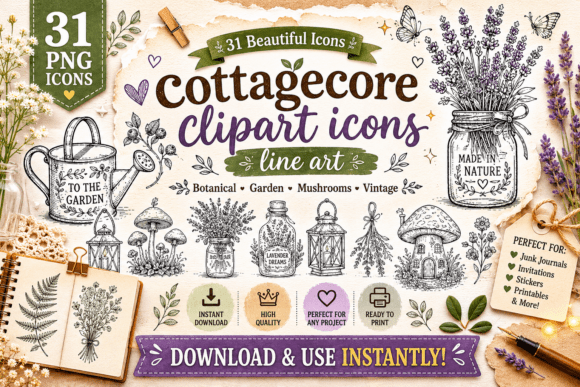
On a personal level, the charm fuels creativity in scrapbooking, junk journaling, and sticker making. It provides a cohesive theme and a library of high-quality assets to draw from, making the creative process more fluid and inspired.
Influencing Perception and Engagement
The strategic use of a style like Whimsy Polka Dot Cottagecore Kitchen does more than decorate; it actively shapes how an audience perceives a project or brand. Its soft, rounded forms and gentle colors influence readability and visual hierarchy in a way that feels welcoming. Headlines set in a complementary script or serif font, paired with these illustrations, guide the eye gently rather than commanding it aggressively.
This aesthetic has a direct impact on brand perception. It signals values of tradition, craftsmanship, and care for detail. For a small business, it can build recognition and foster a loyal community of followers who share those values. The consistency of using a defined clipart bundle or a matching premium font across all touchpoints—from a website to a thank-you card—builds professionalism in a way that feels authentic, not corporate. This consistency is crucial for audience engagement, as it creates a recognizable and comforting visual world that people want to return to.
Making It Work: Practical Guidance for Your Projects
Adopting this style requires thoughtful execution to ensure it enhances rather than overwhelms your project. Here’s how to approach it practically.
First, evaluate the project fit. Ask: Does my project’s core message align with themes of warmth, home, tradition, and whimsy? If you’re designing for a tech startup, probably not. If you’re creating a wedding invitation for a garden ceremony or branding a local herbalist, it’s an excellent match.
Next, consider font pairing. The illustrations themselves are the star, so the typography should support, not compete. A clean, sans serif font for body text ensures modern readability, while a charming serif font or a delicate script font for headlines can mirror the handcrafted feel. Avoid overly ornate or complex display fonts that might clash with the detailed clipart. The goal is harmony.
When using a bundle like the Whimsy Polka Dot Cottagecore Kitchen Clipart, review the included styles. Are there enough variations? Do the elements share a consistent color palette and line weight? High-resolution files with transparent backgrounds are non-negotiable for professional use, allowing for clean integration into any layout.
Readability considerations are paramount. If using these patterns or illustrations as backgrounds, ensure text placed over them has sufficient contrast—perhaps by using a solid color panel behind the text. For digital use, test on multiple screens; for print, order a proof to check color fidelity.
Finally, understand the commercial licensing. For entrepreneurs and creators selling products, this is critical. A license that allows for commercial use on end products (like stickers, journals, or printed merchandise) is essential. Always verify the terms to ensure your business use is covered.
The Whimsy Polka Dot Cottagecore Kitchen style is a powerful tool in a designer’s arsenal for projects that need to feel human, heartfelt, and beautifully crafted. By understanding its characteristics, applying it thoughtfully, and pairing it with the right typography, you can create work that doesn’t just catch the eye, but also touches the heart. It’s an invitation to slow down and appreciate the simple, beautiful details.